
The federal government has said the 5 per cent fuel surcharge that has sparked criticism from labour unions and civil society groups is not new and there are “no immediate plans” to enforce it.
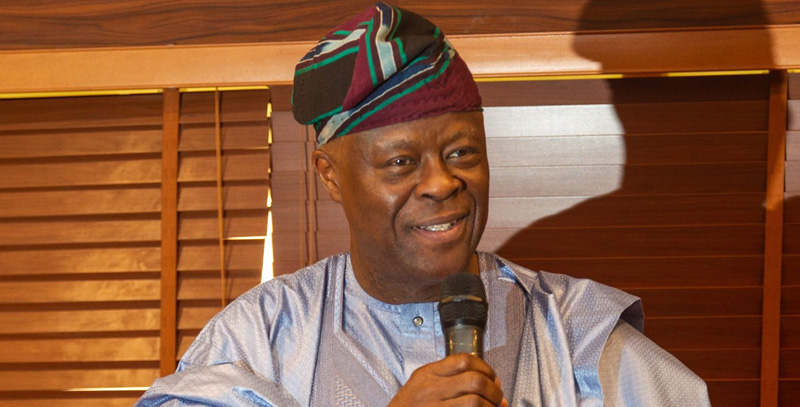
At a press briefing in Abuja, Wale Edun, minister of finance and coordinating minister of the economy on Tuesday, said the surcharge was an existing levy that dated back to the 2007 Federal Road Maintenance Agency (FERMA) Act, stressing it was not a fresh tax introduced by the President Tinubu government.

The surcharge was first introduced in 2007 under the Federal Road Maintenance Agency Act as a user charge to fund road upkeep, with 40 per cent of proceeds allocated to the federal road agency and 60 per cent to state-level equivalents.
Its restatement in the newly signed Nigeria Tax Administration Act 2025 prompted fears that Nigerians would face higher fuel costs from 2026, deepening pressure on households already hit by soaring prices.
“The inclusion of the surcharge in the 2025 Nigeria Tax Administration Act does not mean an automatic introduction of new tax,” the minister said. “It has existed since 2007, there is no immediate taking of effect of the law.”
The new act, signed by President Tinubu in June, consolidates four bills, the Tax Reform Bill, the Revenue Service Bill, the Joint Revenue Board Bill and the Tax Administration Bill. Officials have described the reforms as the most comprehensive overhaul of Nigeria’s tax system in decades, designed to eliminate overlapping charges, simplify compliance and improve transparency.

“This is a transformational legal document,” the minister said, describing the process of preparing the reforms as “deliberate, evidence-driven and phased,” following years of consultation, technical work and collaboration.
The reforms are due to take effect on 1 January 2026, but the surcharge will only apply if the finance minister issues a commencement order published in the official gazette.
“As of today, no order has been issued, none is being prepared, and there is no plan, no immediate plan to implement any surcharge,” he said.
The clarification comes as Nigerians struggle with rising living costs after the removal of fuel subsidies, which more than doubled pump prices and drove up transport and food costs. Labour groups have warned that any new charges on petrol could worsen hardship and provoke unrest.
The minister said the government was mindful of the economic pressures and would focus on blocking revenue leakages and improving efficiency rather than imposing fresh burdens.
READ ALSO: EXCLUSIVE: Real reason Tinubu sacked presidential aide Fegho Umunubo
He added that the reforms were intended to reassure investors, improve coordination between federal and state authorities and support inclusive economic growth.
“There is growing investor confidence … and there is a continued momentum for structural reform that is taking this economy from the current levels of growth to higher and more inclusive levels of growth,” he said.
However, he stressed that the new tax framework must be carefully communicated and implemented in the coming months.
“There needs to be and there will be publicity, sensitisation, education and information.

“As you know, with all policies, once the policy is passed into law, the next step is implementation — robust, careful and effective implementation, timing and sequencing of the various activities,” he said.