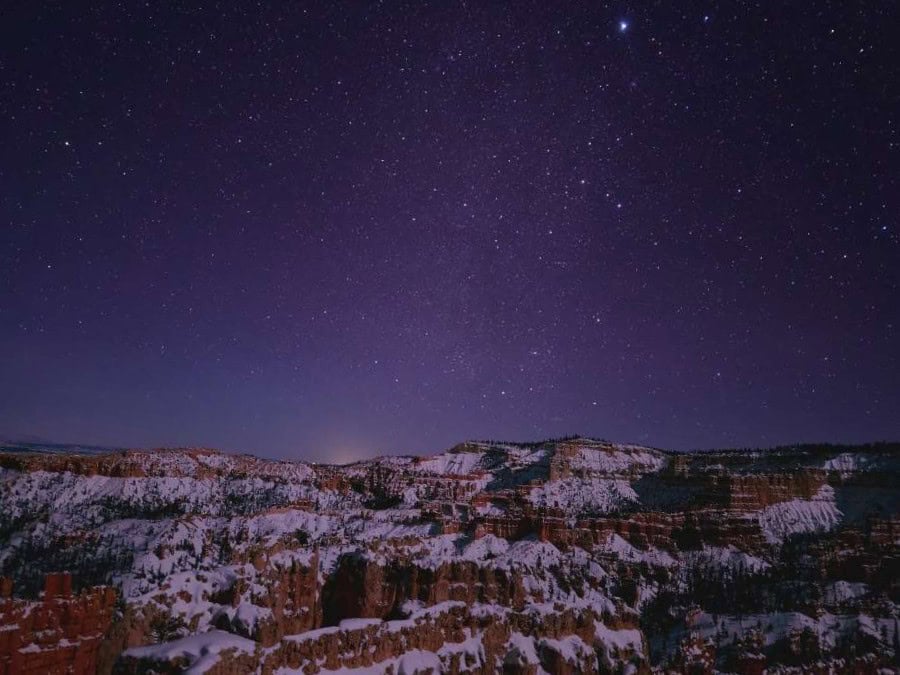
Bryce Canyon delivers one of the darkest, clearest, most awe-inspiring night skies out there—framed by its famous hoodoo rock formations. As one of Utah’s designated International Dark Sky Parks, it’s certified to protect exceptional starry nights and nocturnal environments with strict public lighting rules that cut light pollution.
Here’s our guide to stargazing in Bryce Canyon National Park:
Bryce Canyon Stargazing Adventure
Experience the magic of Bryce Canyon’s night sky during a guided stargazing tour beneath some of the darkest skies in North America.
Tour highlights:
→ 90-minute guided stargazing experience with passionate astronomy guides
→ View planets, galaxies, nebulae and constellations through powerful telescopes
→ Learn the science, history and mythology behind the night sky
→ Hot drinks, blankets and chairs included for a cozy viewing experience
→ Optional shuttle available from Ruby’s Inn, Best Western Grand and Springhill Suites
Good to know:
→ Adults (16+): $55 | Children (5–15): $45 | Under 4: Free
→ Tours run year-round with seasonal start times
→ Dress warmly — desert temperatures drop quickly after sunset
✨ Book your Bryce Canyon Stargazing Adventure and discover the universe like never before.
Why Bryce’s Skies Blow You Away
Bryce Canyon is an International Dark Sky Park, certified for protecting its starry nights with strict anti-light-pollution rules. This gives you views you won’t get in cities—like the Milky Way stretching horizon to horizon on clear summer nights, when it’s at its brightest.
At 8,000 feet, the crisp, thin air lets you spot up to 7,500 stars on a good night (vs. 2-3,000 in most areas), plus planets like Saturn’s rings, Jupiter, galaxies, and nebulae—especially with binoculars or a telescope. Seasons shift the show as Earth orbits, rotating constellations so every trip feels fresh.
Pro tip: Download a free app like SkySafari to ID stars without fumbling. Ditch your phone’s white flashlight—use red headlamps to keep night vision sharp. Hit Inspiration Point or Bryce Point for hoodoos framing the stars; hike in pre-sunset to beat crowds.
Best Seasons for Stargazing in Bryce Canyon National Park (And Trade-Offs)
One of the most rewarding aspects of stargazing in Bryce Canyon is that the night sky changes dramatically with the seasons. As Earth orbits the Sun, different constellations and deep-sky objects come into view, meaning no two visits offer the same celestial experience. Each season offers a unique opportunity to view different constellations and celestial objects, so there truly is no bad time to go stargazing in Bryce Canyon.
Depending on your preference, here are some benefits to visiting during each season:
- Spring (April–May): As winter fades, Leo rises in the southern sky, followed closely by Virgo. Distant galaxies can be seen through telescopes, and the Big Dipper swings high overhead, pointing the way to other constellations.
- Summer (June–August): Warm evenings and late sunsets create some of the most spectacular nights of the year. The dense core of the Milky Way stretches overhead, and as you look towards the constellation Sagittarius, you find yourself looking at the very center of our galaxy. The Summer triangle and Cygnus shine above, highlighting stars like Albireo, Vega, and Deneb. Though this is the busiest time to visit the park, the night skies offer a peacefulness that comes only from spending time in nature’s serenity.
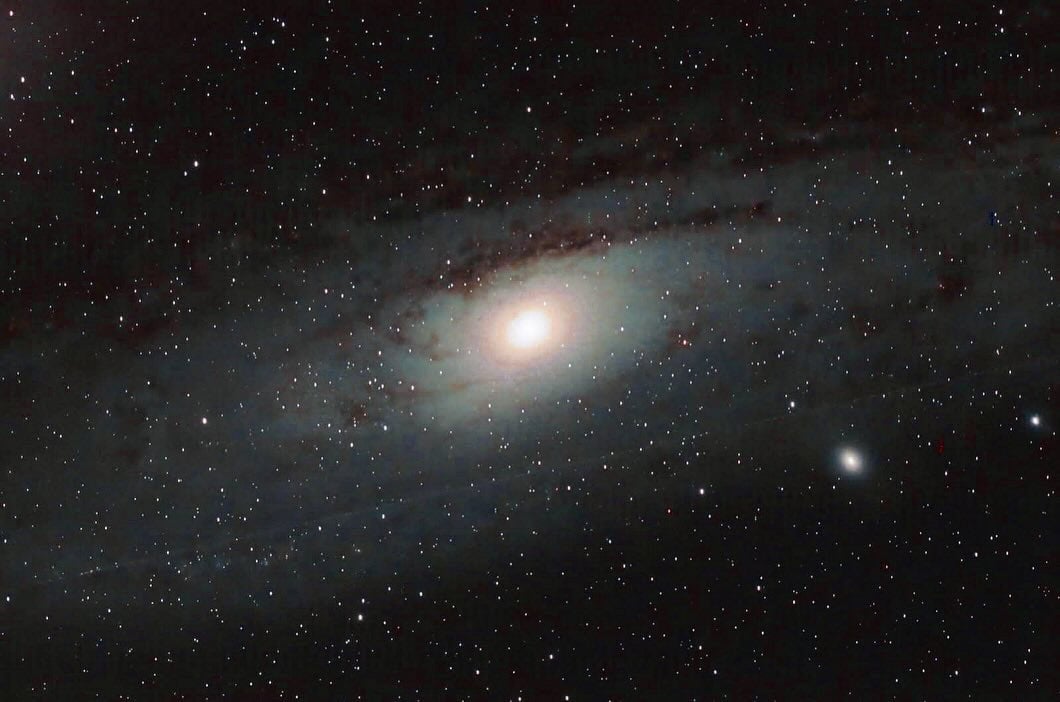
- Fall (September–October): Cooler temperatures and the beginning of longer nights create stargazing conditions perfect for viewing the legendary Andromeda Galaxy with your naked eye. Cassiopeia’s distinctive “W” rises along with Pegasus and the hero Perseus.
- Winter (November–March): Stunningly dark skies and snow-covered hoodoos within the park. Orion dances across the night sky, chasing Taurus and the Pleiades with his hunting dogs Canis Major and Canis Minor. Colder temperatures mean fewer crowds and a more personal experience with the stars while you listen to the calls of the local wildlife.
Related read: The Best Trails For Hiking in Utah’s National Parks
Gear and Prep for Comfort
Sitting at 8,000 feet in elevation, Bryce Canyon evenings can be chilly no matter the time of year. To stay comfortable during your stargazing adventure, we recommend wearing warm layers, a beanie, gloves, and some cozy socks. To improve your experience, a reclining chair or blanket to lie on can help maximize your view of the heavens.
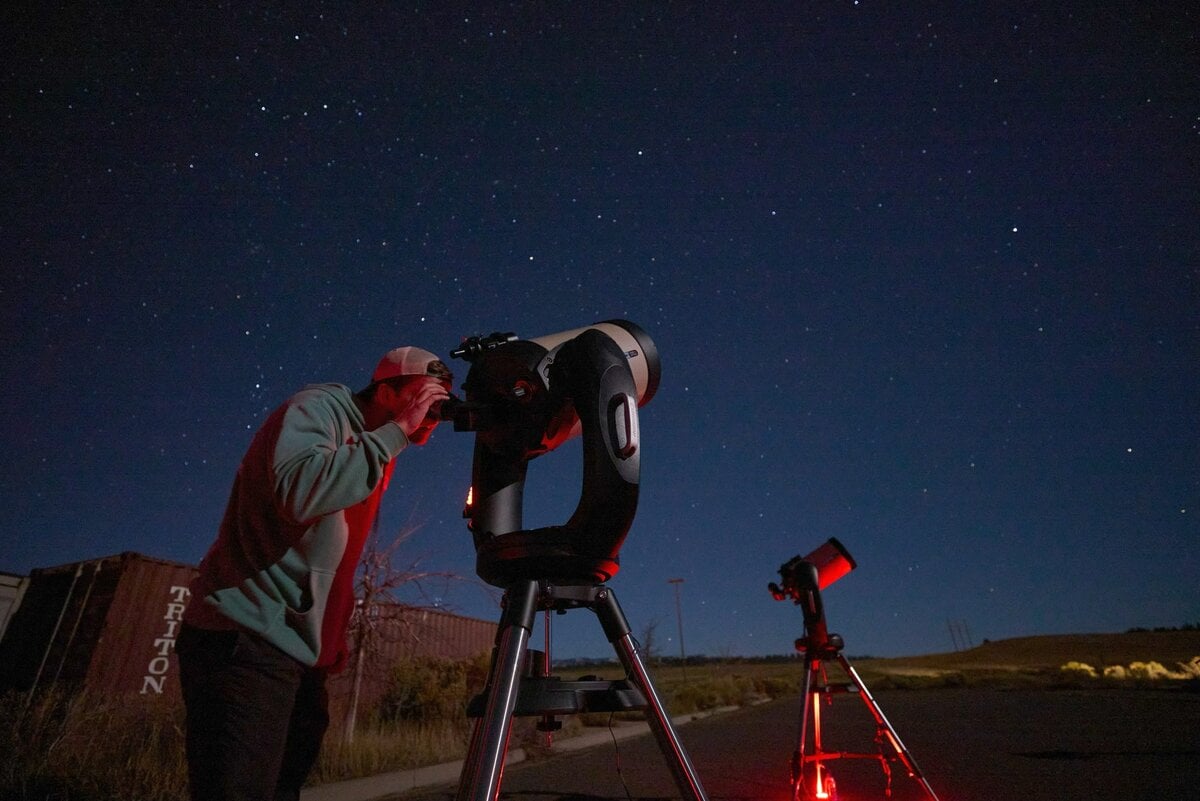
And, of course, we recommend using red lights to ensure your night vision remains unaffected by white light.
Self-Guided vs. Ranger-Led
While self-guided stargazing is rewarding, joining a guided experience can greatly enhance your understanding of the night sky. Professional guides use high-powered telescopes and laser pointers to highlight constellations, galaxies, nebulae, and planets, while sharing stories, science, and cultural perspectives connected to the stars.
Guided experiences can be especially valuable to first-time visitors or those who want a more in-depth experience under the blanket of the stars.
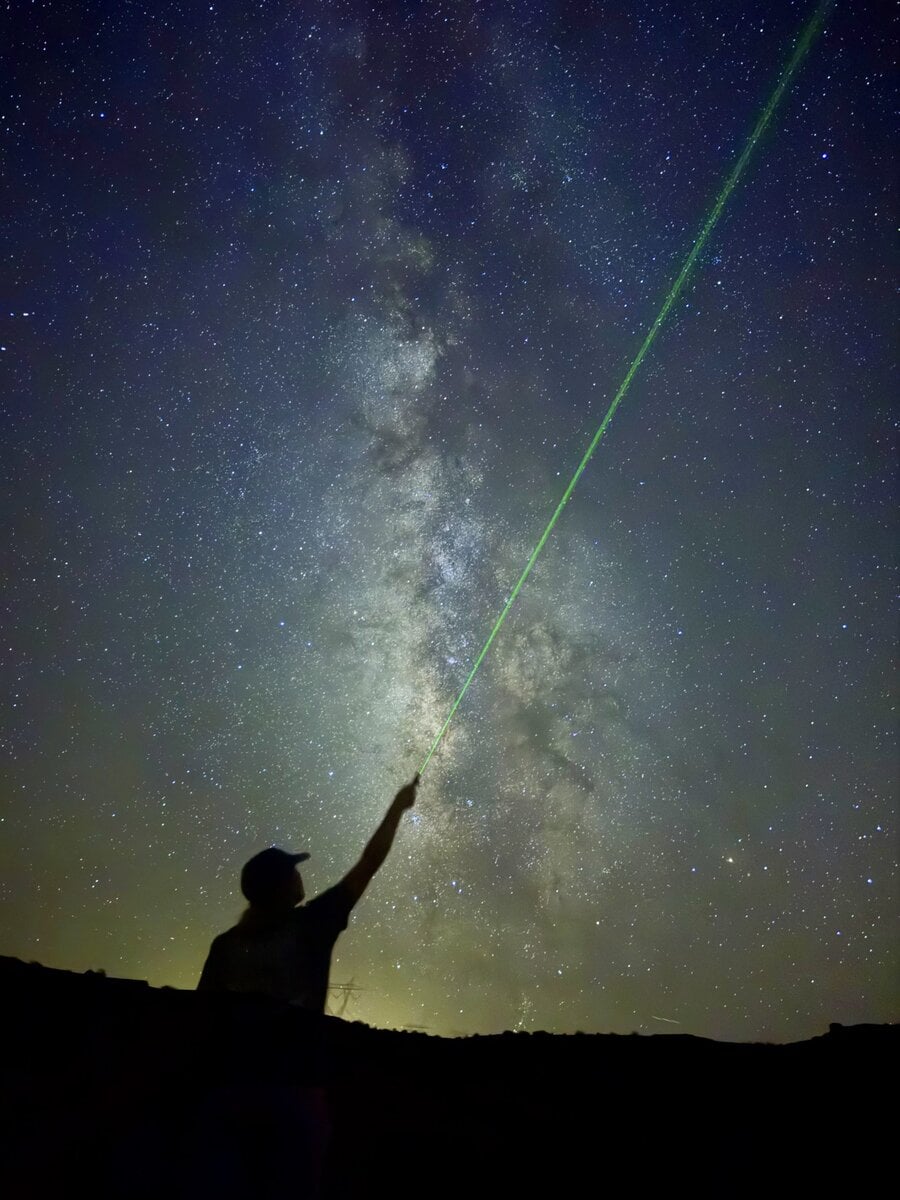
Stargazing in Bryce Canyon is more than just an activity; it’s an unforgettable experience that connects you with our amazing universe. From the quiet stillness to the dazzling arc of the Milky Way, there truly is something for everyone. Whether you are visiting for a single evening or planning your entire trip around the stars, Bryce Canyon offers an awe-inspiring night sky show you will remember forever.