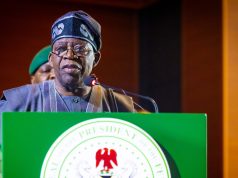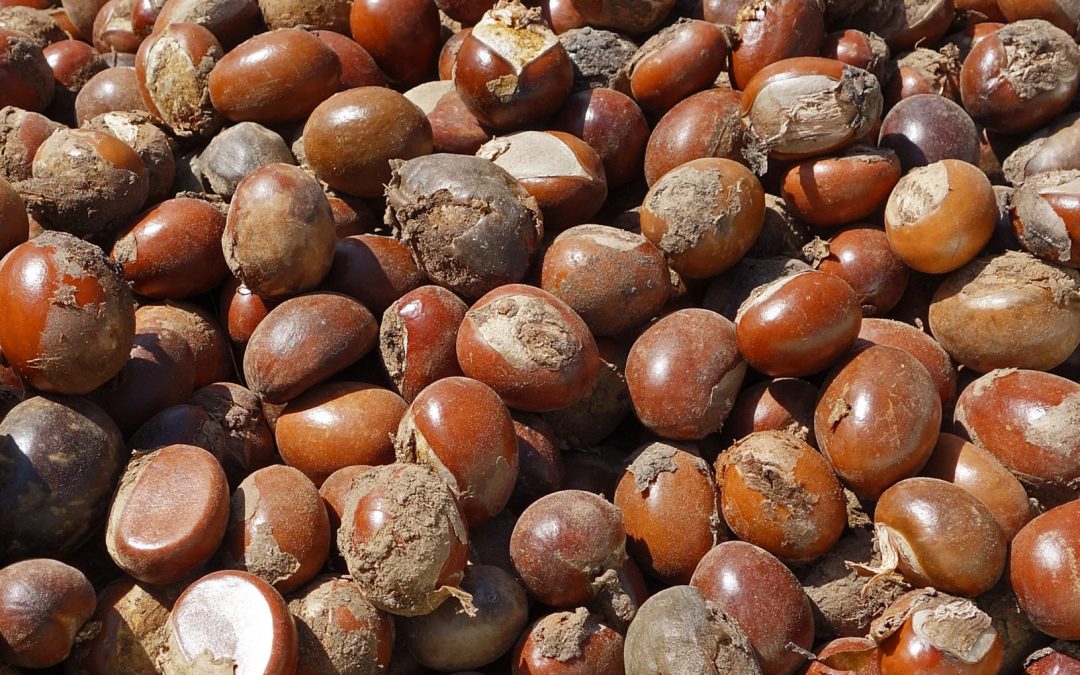
President Bola Tinubu has approved a one-year extension of the ban on the export of raw shea nuts, reinforcing the federal government’s push for local value addition and industrial growth.
The decision was disclosed in a statement issued on Wednesday by presidential spokesperson Bayo Onanuga. According to the statement, the decision aligns with the administration’s Renewed Hope Agenda and broader efforts to position Nigeria as a competitive player in global agricultural value chains.
“President Bola Ahmed Tinubu has approved the ban on the export of raw shea nuts for a further one year, from February 26, 2026, to February 25, 2027,” the statement said.
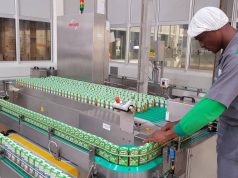
The extension, which takes effect from 26 February 2026 to 25 February 2027, is aimed at deepening domestic processing capacity, improving livelihoods in shea-producing communities, and promoting the export of value-added products rather than raw commodities.
In August last year, Mr Tinubu approved a 6-month temporary ban on the export of raw shea nut to curb informal trade, boost local processing, protect and grow Nigeria’s shea industry.
The ban, which took immediate effect at the time, was specifically aimed at boosting Nigeria’s shea value chain to generate around $300 million annually in the short term.

The government had explained that Nigeria produces nearly 40 per cent of the global shea product, yet it accounts for only 1 per cent of the market share of $6.5 billion.
“This is unacceptable. We are projected to earn about $300 million annually in the short term, and by 2027, there will be a 10-fold increase. This is our target,” Vice President Kashim Shettima said at the time.
He explained that the ban was a collective decision involving the sub-nationals and the federal government, with clear directions for economic transformation in the overall interest of the nation.
Critics of the ban have, however, argued that Nigeria does not have the capacity to process all the shea butter it produces and that such a ban should have been put in place only after adequate processing arrangements are put in place. They argue that the ban has reduced farmers’ profits, many of whom have been unable to sell their products since it was implemented.
Implementation strategy
To drive implementation of the new extension, the president has authorised the ministers overseeing the Federal Ministry of Industry, Trade and Investment and the Presidential Food Security Coordination Unit (PFSCU) to coordinate a unified national framework for the shea value chain.
The framework, the statement said, will align industrialisation, trade and investment priorities using evidence-based strategies.
Mr Tinubu also approved the adoption of an export framework developed by the Nigerian Commodity Exchange (NCX) and directed the withdrawal of all existing waivers that previously allowed direct export of raw shea nuts.
ALSO READ: Why we banned export of raw shea nut – Minister
Any excess supply, he said, must be exported strictly through the NCX platform in line with approved guidelines.
In addition, the president directed the Federal Ministry of Finance to provide access to a dedicated NESS Support Window to enable the Industry Ministry to pilot a Livelihood Finance Mechanism aimed at strengthening production and processing capacity in the sector.
Shea nuts, harvested from the shea tree widely found in Nigeria’s savanna belt, are processed into shea butter — a key ingredient in cosmetics and edible oils.
The federal government has argued that processed shea butter can fetch between 10 and 20 times the value of raw nuts, underscoring the economic rationale for the export restriction.
The government said it remains committed to policies that promote inclusive growth, local manufacturing and greater participation in global value chains through enhanced domestic processing.