The Central Bank of Nigeria (CBN) has revealed that 20 of 33 Nigerian banks have met the new minimum capital requirements, raising N4.05 trillion ahead of the 31 March deadline.
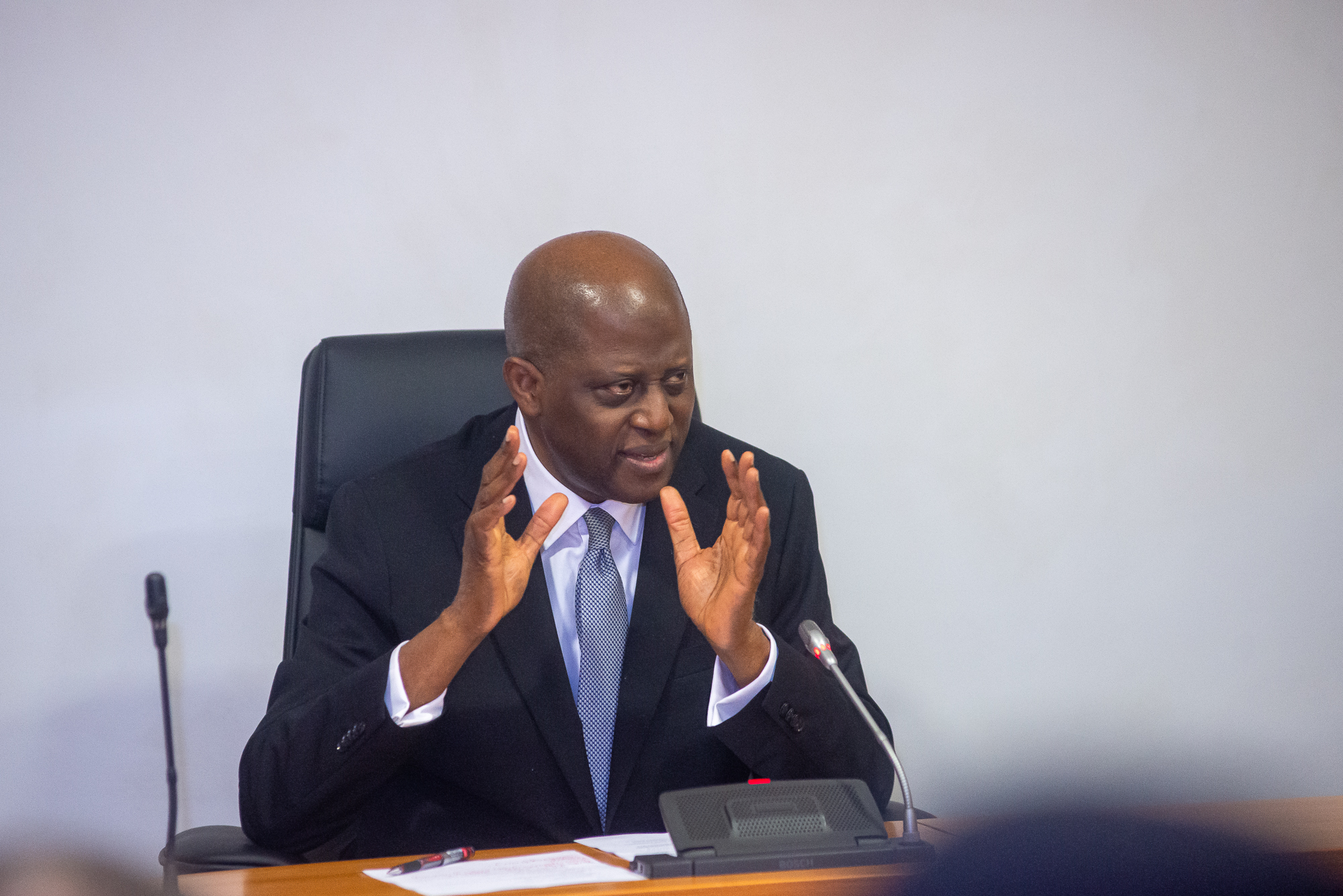
The apex bank governor, Olayemi Cardoso, disclosed this at the end of the Monetary Policy Committee (MPC) 304th meeting held on Tuesday in Abuja.
In March 2024, the CBN introduced a revised recapitalisation policy requiring Nigerian banks to raise their capital base within 24 months, with the compliance period running from 1 April 2024 to 31 March 2026.
The CBN governor noted that the development is a result of increased investor confidence in the Nigerian banking sector.
Mr Cardoso stated that meeting the new minimum capital requirement reaffirmed steady progress towards a more robust and well-capitalised financial system.
He reiterated the strategic importance of the recapitalisation exercise and urged the banks to ensure its successful completion.

“With regard to key financial soundness, the committee noted that of the 33 banks that have raised additional capital, 20 have met the new minimum capital requirement, reaffirming steady progress towards a more robust and well-capitalised financial system.
“The MPC reiterated the strategic importance of the recapitalisation exercise and urged the bank to ensure its successful completion.
“This would reinforce financial system resilience and enhance the sector’s capacity to support sustainable economic growth, price, and other domestic developments,” he stated.
Capital Raised
The CBN noted that while 13 banks are yet to meet the full standards of the new minimum capital requirement, they are at an advanced stage of their capital-raising processes.
He added that the total verified and approved capital raised stands at N4.05 trillion, representing a mix of domestic and foreign investment in the banking sector.
“To date, 20 banks have fully met the new minimum capital requirement, and a further 13 are at an advanced stage of their capital-raising processes and, quite frankly, are expected to conclude within the stipulated time. It is expected.
“As of 19 February 2026, total verified and approved capital raised stands at N4.05 trillion. Of this, N2.90 trillion, which is 71.6 per cent, has been mobilised domestically, while $706.84 million, which is N1.15 trillion, represents 28.33 per cent foreign participation.
“So, in summary, 71.67 per cent is domestic mobilisation and 28.33 per cent is foreign participation. This balance, in my view, represents a mix of domestic and foreign investment, which signals broad investor engagement and confidence in the sector,” the CBN governor explained.
He further revealed that foreign investors continue to express strong interest in the Nigerian banking sector.
“When I went abroad and met with some of the investor community, they had a very strong interest in investing in the banks, so I am glad that this has come out in a very positive way.”
Regulatory intervention
Mr Cardoso also explained that other financial institutions facing regulatory intervention, subject to certain legal and structural considerations, will be exempt from the tight deadlines imposed on commercial banks.
READ ALSO: CBN warns oil prices, pre-election spending could threaten stability
“The other group that I think I would be remiss not to mention are the institutions currently undertaking regulatory intervention, with specific legal and structural considerations, which naturally influence the sequencing of their recapitalisation actions.
“In other words, it is unreasonable to expect that they would follow the same sequence as those that, two and a half years ago, when we made this announcement, had ample time to do many of the things they are doing now,” he said.
He assured customers of financially troubled institutions that their funds are safe, as the Central Bank of Nigeria closely supervises the institutions’ operations.
“We remain, as the Central Bank of Nigeria, actively engaged with all relevant stakeholders to ensure an orderly and credible outcome while maintaining financial stability.
“Specifically, with respect to those institutions currently under regulatory intervention, depositor funds in these institutions remain secure, and operations continue under the close supervisory and regulatory oversight of the Central Bank,” he said.