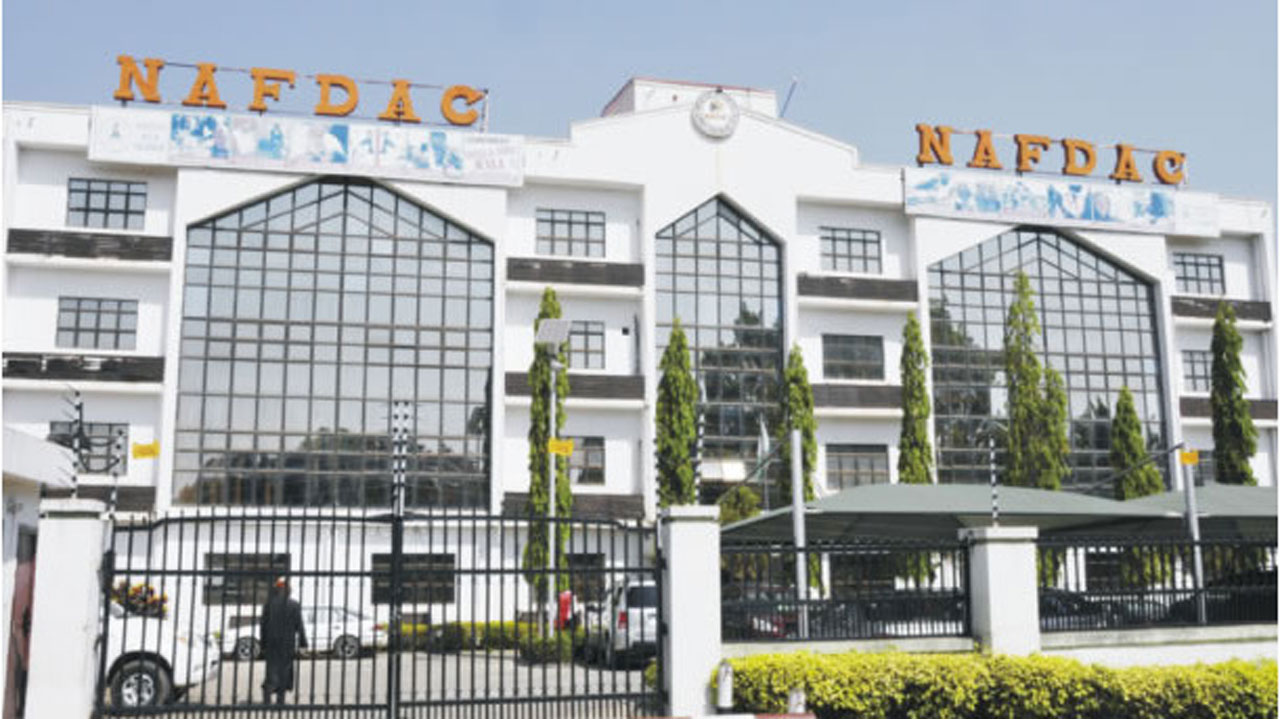
The National Agency for Food and Drug Administration and Control (NAFDAC) has dismissed media reports claiming that the Federal Government directed it to suspend enforcement of the ban on sachet alcohol and alcoholic beverages packaged in PET bottles below 200ml.
In a statement issued by its Director-General/CEO, Prof. Mojisola Adeyeye, the agency described the reports as false, misleading, and not reflective of any official communication from the Federal Government.
What NAFDAC is saying
Prof. Adeyeye stated that the agency operates strictly within its statutory mandate and in line with formally communicated Federal Government policies.
She stressed that NAFDAC has not received any directive to suspend its enforcement activities.
- “The National Agency for Food and Drug Administration and Control (NAFDAC) categorically refutes a publication circulating in some media outlets alleging that the Federal Government has directed the Agency to suspend enforcement actions on sachet alcohol and alcoholic beverages packaged in PET bottles below 200ml. The report is false, misleading, and does not reflect any official communication from the Federal Government.
- “At no time has the Agency received any directive to suspend its regulatory or enforcement activities regarding sachet alcohol and small-volume alcoholic beverages. The ban remains in force.”
According to her, NAFDAC has already commenced evacuating violative sachet alcohol and sub-200ml PET alcoholic products from companies.
She also noted that some manufacturers, having acknowledged that the policy is aimed at protecting minors, have begun discontinuing production of the smaller pack sizes.
Adeyeye cited data indicating that about 50% of minors and underage persons patronise retailers selling alcohol in sachets and small PET bottles.
She reaffirmed the agency’s commitment to safeguarding public health, ensuring regulatory compliance, and implementing government policies transparently and in accordance with due process.
The agency cautioned against the spread of unverified information capable of fueling misinformation and misinterpretation of government policy, urging the public and stakeholders to rely on its official communication channels.
Background
NAFDAC began enforcing the ban on alcohol sold in sachets and PET bottles smaller than 200ml on February 1, 2024. The move was introduced to address health risks and curb widespread abuse of cheap, easily accessible alcoholic beverages, particularly among minors and vulnerable groups.
The agency later suspended enforcement and extended implementation to December 31, 2025.
Earlier reports had suggested that the Federal Government, through the Office of the Secretary to the Government of the Federation, ordered NAFDAC to suspend enforcement and stop sealing factories and warehouses. NAFDAC has now publicly denied receiving such instruction.
What this means
The continued enforcement of the ban could have significant economic implications. The Manufacturers Association of Nigeria (MAN) previously warned that the policy could threaten over 500,000 direct jobs and about 5 million indirect jobs, while putting investments estimated at ₦1.9 trillion at risk.
There are also concerns about potential revenue losses from reduced excise duties and taxes, as well as the possibility that restrictions could fuel the rise of counterfeit and illicit alcohol products.
However, proponents of the ban, including NAFDAC, argue that restricting sachet and small-volume alcohol reduces easy access for underage individuals and helps curb alcohol abuse, addiction, and related health and social problems.
What you should know
In May 2026, NAFDAC clarified that the earlier temporary lifting of the ban was only valid until December 31, 2025, and was not a permanent reversal.
The agency reiterated that sachet alcohol products containing less than 200ml would be phased out in line with its regulatory and public health objectives.