The United States has deployed a small team of troops to Nigeria following Christmas Day airstrikes, marking the first public confirmation of a U.S. military presence on Nigerian soil since the operation.
The disclosure was made by the head of the United States Africa Command (AFRICOM), General Dagvin R. M. Anderson, during a media briefing, confirming deeper security cooperation between Washington and Abuja.
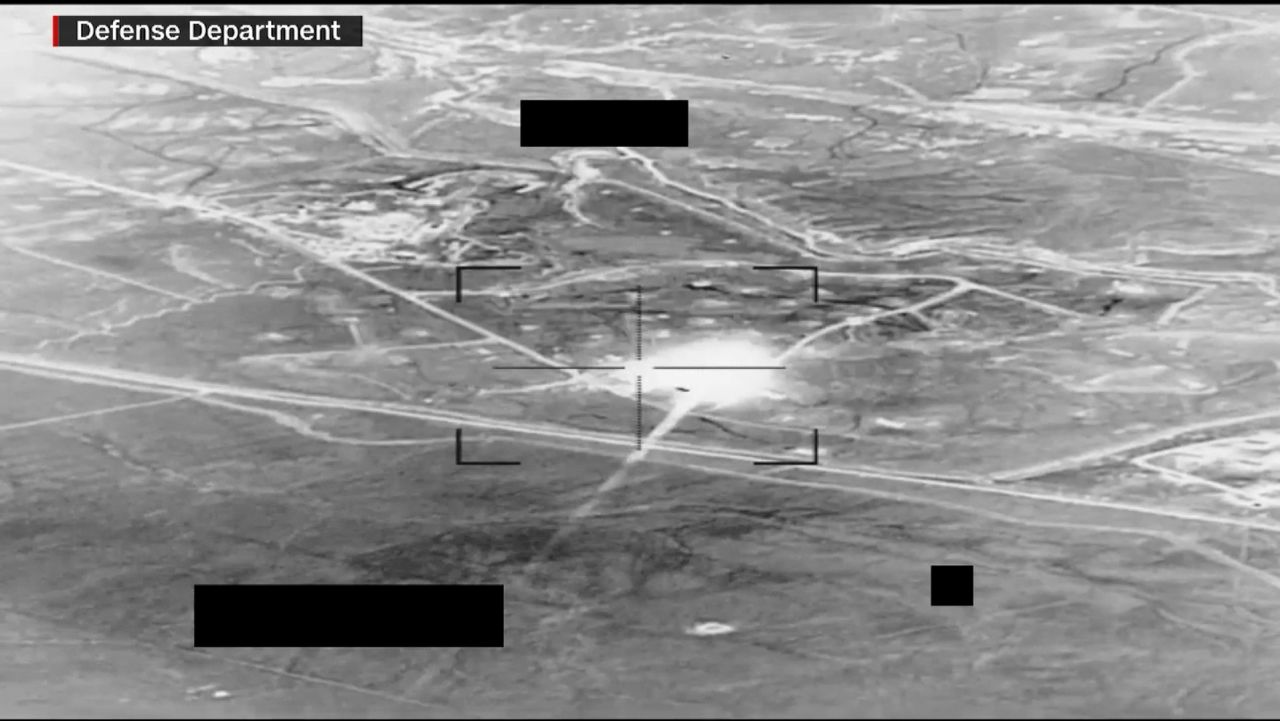
The deployment comes amid renewed U.S. pressure on Nigeria over rising militant violence and follows airstrikes authorized by U.S. President Donald Trump against Islamic State-linked targets in the country.
The development signals a more direct, though limited, U.S. role in Nigeria’s counterterrorism efforts as insurgent attacks intensify across multiple regions.
What AFRICOM is saying
AFRICOM said the deployment followed consultations between both governments on how to address escalating terrorist threats in West Africa.
- “That has led to increased collaboration between our nations to include a small US team that brings some unique capabilities from the United States,” Anderson, said during the briefing.
- General Anderson declined to disclose the size of the team or the full scope of its mission.
- Minister of Defence, Christopher Musa, also confirmed the presence of U.S. personnel in the country but said operational details could not be made public.
The statements suggest that the U.S. role is largely advisory and intelligence-driven rather than a full-scale combat deployment.
Backstory
Nigeria has been battling a 17-year Islamist insurgency led by Boko Haram and its splinter group, the Islamic State West Africa Province (ISWAP).
The conflict, which began in the northeast, has expanded over time, with militant violence increasingly affecting the northwest and other parts of the country.
- Boko Haram and ISWAP have intensified attacks on military convoys, rural communities, and civilian populations in recent months.
- The northwest has emerged as a new flashpoint, alongside the long-troubled northeast.
- The prolonged insurgency has strained Nigeria’s security forces and heightened calls for international support.
These challenges have shaped Nigeria’s ongoing engagement with foreign partners, including the United States.
More Insights
Nairametrics reports that prior to the Christmas Day airstrikes, the United States had increased intelligence activity around Nigeria.
- U.S. surveillance flights were conducted over Nigeria from neighboring Ghana from at least late November.
- The intelligence buildup suggested preparation ahead of the airstrike operation.
- A former U.S. official familiar with the matter said the deployed team is heavily involved in intelligence gathering and enabling Nigerian-led strikes against terrorist groups, Reuters reports.
This points to a strategy focused on intelligence, surveillance, and reconnaissance support rather than direct battlefield engagement.
Why this matter
The presence of U.S. troops, even in small numbers, represents a notable shift in bilateral military cooperation between the two countries.
It also comes at a time when President Trump has openly criticized Nigeria over security failures, particularly the protection of Christian communities.
- Trump has accused Nigerian authorities of failing to curb Islamist violence in the northwest.
- He has described the situation as an “existential threat” to Christianity.
- The Nigerian government has rejected claims of religious persecution, insisting the conflict is driven by terrorism and banditry affecting both Christians and Muslims.
The deployment could therefore influence domestic debates around sovereignty, foreign military involvement, and Nigeria’s long-term security strategy.
What you should know
AFRICOM said the Christmas Day airstrike was carried out in Sokoto State in coordination with Nigerian authorities.
The operation reportedly resulted in the deaths of multiple Islamic State militants.
Both governments have continued to frame the troop deployment as a partnership rather than an intervention, emphasizing collaboration in the broader fight against terrorism in West Africa.