The Centre for the Promotion of Private Enterprise (CPPE) has cautioned the federal government against overconfidence in oil and revenue assumptions underpinning the 2026–2028 Medium-Term Expenditure Framework (MTEF), warning that lingering optimism could still undermine budget credibility despite recent improvements.
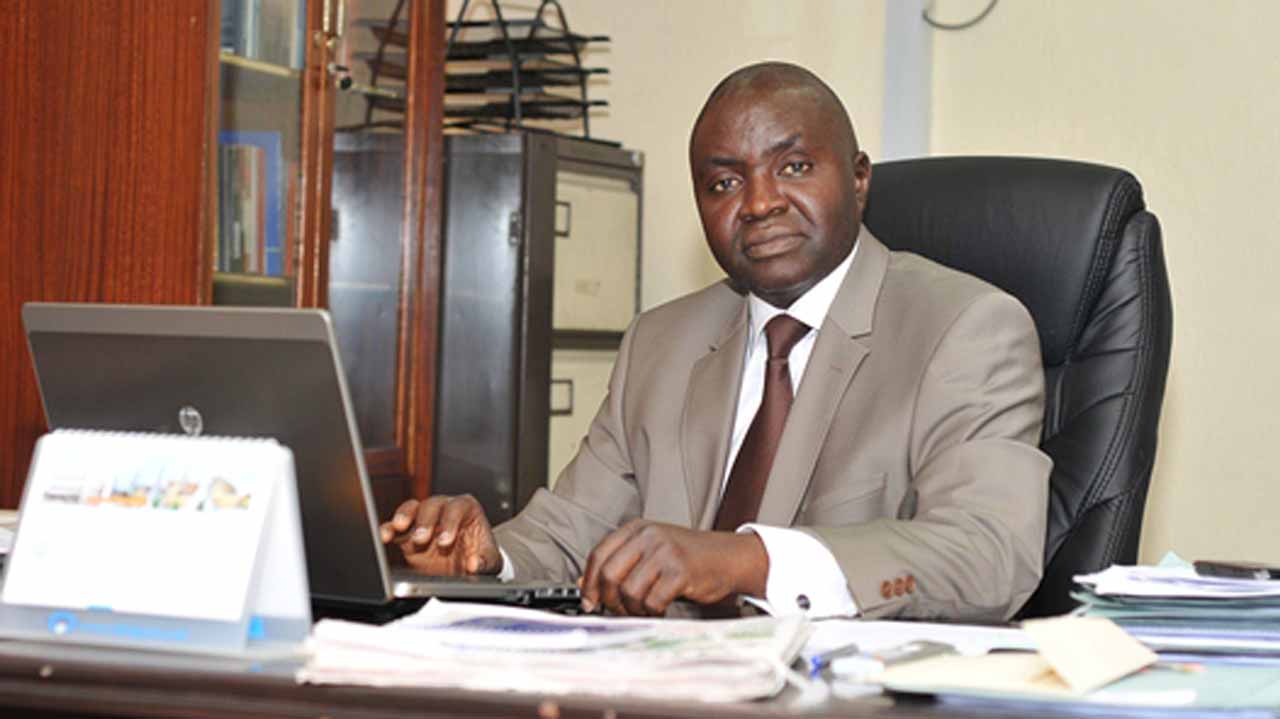
In a policy brief signed by its director and chief executive officer, Muda Yusuf, the think tank said the new MTEF reflected a more cautious and realistic fiscal stance compared with previous frameworks, but stressed that the shift did not go far enough, particularly on crude oil price and production benchmarks.


“The recently presented highlights of the 2026–2028 Medium-Term Expenditure Framework (MTEF) by the Minister of Budget and National Planning, Senator Atiku Bagudu, signal a welcome and deliberate shift toward more conservative, realistic, and credible fiscal planning,” Mr Yusuf said.
CPPE noted that Nigeria’s budgeting process had for years been weakened by overly optimistic macroeconomic assumptions, leading to persistent revenue shortfalls and wide gaps between budgeted figures and actual implementation.
It said the unrealistic assumptions used in the 2025 budget were especially damaging and contributed to poor execution and weakened public trust.
While welcoming the introduction of more cautious revenue and expenditure assumptions in the new MTEF, the group said the adjustment only partly addressed the structural weaknesses in Nigeria’s fiscal framework.

One of the key risks identified was the risk of oil. The MTEF introduced dual production parameters, with a technical target of 2.06 million barrels per day and a budget benchmark of 1.80 million barrels per day.
CPPE described the use of 1.80 million barrels per day as more prudent than previous assumptions, but warned that it remained optimistic given Nigeria’s history of underproduction, oil theft and operational challenges.
“However, based on historical production trends, the CPPE proposes an even more conservative benchmark of 1.6 mbpd to ensure fiscal resilience,” Yusuf said.
The group also raised concerns about the oil price benchmark of $64.85 per barrel for 2026, noting that it exceeded projections by major global institutions such as the World Bank and the US Energy Information Administration.
ALSO READ: Suspending fuel import duty endangers jobs, FX stability, energy independence — CPPE
It said aligning the benchmark closer to $60 per barrel would better protect the budget from external shocks.
Regarding the exchange rate, CPPE stated that the assumption of N1,540 to the dollar reflected macroeconomic risks and potential liquidity pressures associated with the 2026 election cycle, providing a more realistic basis for fiscal planning, even though it could increase project costs.
The policy brief further highlighted debt sustainability as a major concern, noting that the MTEF projected N15.91 trillion for debt service in 2026, equivalent to 46 per cent of projected revenue.
CPPE said this level of debt servicing would significantly constrain spending on infrastructure, social services and security.
It also criticised the delayed presentation of the MTEF, saying it was not in line with the Fiscal Responsibility Act, which requires submission at least four months before the start of the fiscal year.
“The 2026–2028 MTEF marks a positive step toward embedding fiscal realism, strengthening budget credibility, and aligning national expenditure with Nigeria’s real implementation capacity,” Mr Yusuf said.
CPPE urged both the executive and the National Assembly to sustain the move toward evidence-based assumptions, warning lawmakers against inflating expenditure or reintroducing unrealistic projections during the budget approval process.