If you’re wondering, “Is the Masai Mara worth it?” you’re not alone. Many travellers consider the Masai Mara the crown jewel of African safaris thanks to its sweeping savannahs, world-class wildlife sightings and the world-famous Great Migration.
But with the logistics, costs, and expectations surrounding a Masai Mara trip, many prospective visitors ask a fundamental question: Is it really worth it?
This article takes a closer look at the pros, cons, highlights, and considerations to help you decide whether a trip to the Masai Mara is truly worth your time, money, and travel energy.
Here’s an overview:
Masai Mara at a Glance
- Best for: Big cats, the Great Migration, classic savannah landscapes
- Ideal trip length: 3–5 days
- Best time to visit: July–October (Migration), Dec–Feb (dry season)
- Who it suits: First-time safari travellers, photographers, wildlife lovers

What Makes the Masai Mara Special?
The Masai Mara (often referred to simply as “the Mara”) is one of Africa’s most celebrated conservation areas, covering approximately 1,510 square kilometers of protected savannah. The reserve is part of the larger Mara-Serengeti ecosystem, which straddles the Kenya-Tanzania border and plays host to one of the most dramatic wildlife spectacles on Earth, the Great Migration.
But even beyond this event, the Masai Mara is brimming with life all year round. It’s home to the Big Five: the lion, leopard, elephant, buffalo, and rhino, as well as cheetahs, hyenas, jackals, giraffes, crocodiles, hippos, and over 450 bird species. The sheer density and diversity of animals in the reserve are astonishing, making it one of the best places in the world for wildlife viewing.
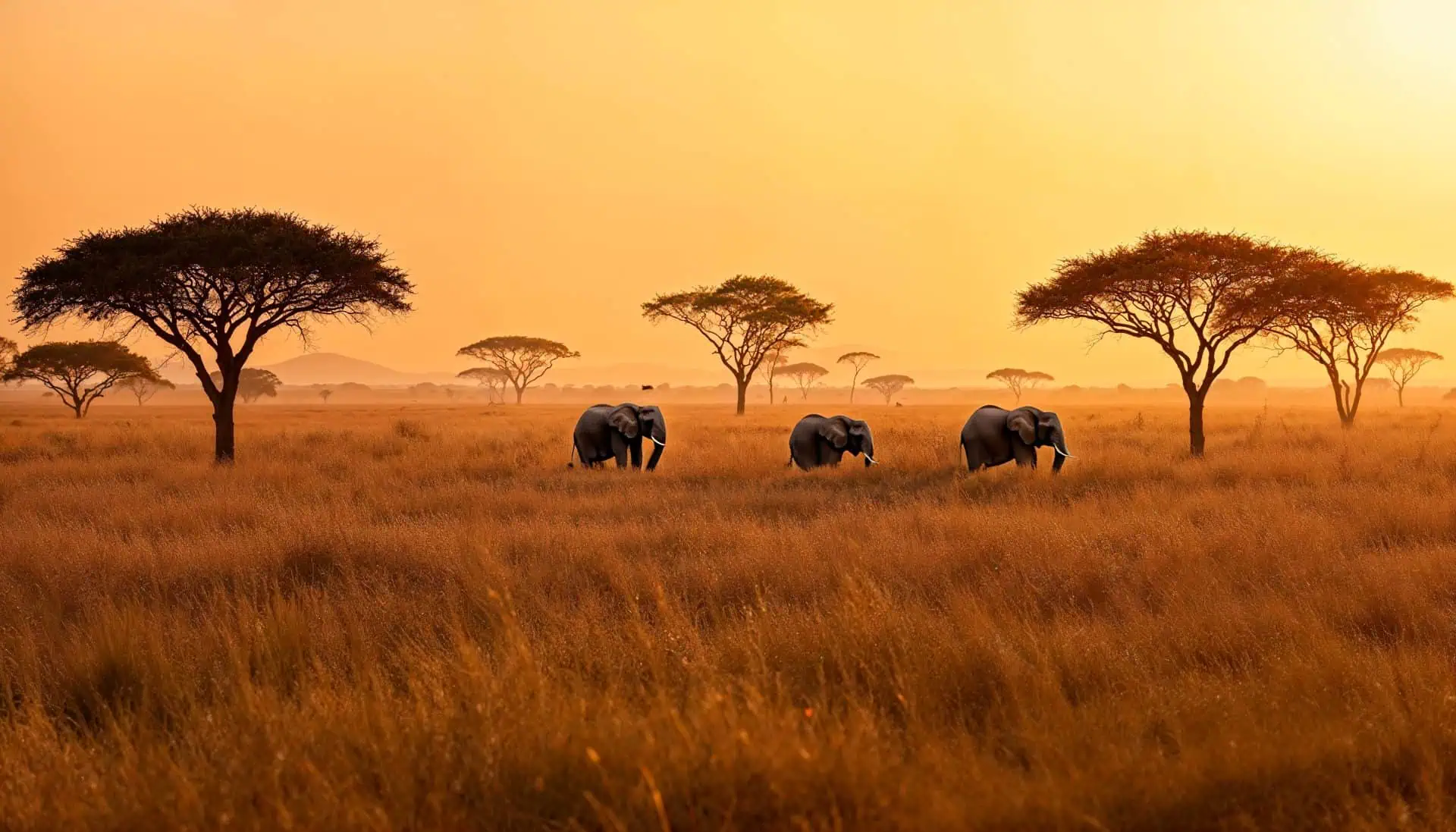
What makes the Mara especially appealing is its open terrain and excellent visibility. You’re not searching through dense bush; animals are often in clear view against wide golden plains and dramatic skies.
The Great Migration
From July to October, more than 1.5 million wildebeest, zebras and gazelles move from Tanzania’s Serengeti into the Mara in search of fresh grazing. The most dramatic moment is the Mara River crossing, where herds brave strong currents and crocodile-filled waters. It’s unpredictable and emotional — and for many, the number-one reason to visit.
Outside these months, wildlife viewing is still exceptional. Many travellers prefer the quieter off-season for lower prices and less crowded sightings.

Cultural Encounters
A trip to the Masai Mara is not just about animals; it’s also an opportunity to engage with one of Kenya’s most iconic ethnic communities—the **Maasai people**. Known for their tall stature, vibrant red garments (shukas), and traditional semi-nomadic lifestyle, the Maasai have lived in harmony with wildlife for generations.
Many safari itineraries include visits to **Maasai villages**, where travelers can learn about their customs, dances, crafts, and way of life. While some village visits are genuine cultural exchanges, others can feel overly commercial or staged. Doing some research and choosing ethical, respectful tourism operators can help ensure an authentic and mutually beneficial experience.

Types of Safaris and Accommodation Options
One of the strengths of the Masai Mara is the wide range of safari styles and accommodation options to suit various budgets and preferences.
For luxury travelers, there are high-end safari lodges and boutique tented camps that offer gourmet meals, private game drives, and even spa services all while immersed in nature. Properties like Angama Mara, Mahali Mzuri, and Sanctuary Olonana provide five-star service with stunning views over the plains.
Mid-range travelers can choose from excellent tented camps and lodges that balance comfort with affordability. These options offer guided game drives, comfortable beds, and authentic safari ambiance without breaking the bank.
Budget travelers can opt for basic campsites and join group safaris, which often depart from Nairobi. While less luxurious, these trips still offer the chance to see incredible wildlife and interact with fellow travelers.
This flexibility means that a trip to the Masai Mara can be adapted to various travel styles, from honeymooners to solo backpackers.
Pros and Cons of Visiting the Masai Mara
Here are the main pros and cons to consider when deciding if the Masai Mara is worth it:
Pros of Visiting the Masai Mara
1. World-Class Wildlife Viewing: The Mara has one of the highest concentrations of big cats in Africa, along with elephants, buffalo, giraffes, and more.
2. The Great Migration: If timed well, seeing the migration and the dramatic river crossings can be a once-in-a-lifetime experience.
3. Scenic Landscapes: The endless golden plains dotted with acacia trees are iconic and photogenic.
4. Variety of Accommodations: From budget-friendly to ultra-luxurious, there are options for all kinds of travelers.
5. Cultural Immersion: Opportunities to engage with the Maasai community add a rich cultural layer to the safari experience.
6. Accessibility: The Mara is easily reached from Nairobi by road (5–6 hours) or by small chartered flights (45 minutes), making it logistically convenient.
Cons and Challenges
1. Cost: A Masai Mara trip can be expensive, especially during the high season (July to October). Park entry fees alone are significant, and adding transport, accommodation, and guides increases the total.
2. Crowds: During the migration season, the park can feel crowded, especially at popular sightings like river crossings or lion kills. In some cases, dozens of safari vehicles may surround one animal, a scene that can feel more zoo-like than wild.
3. Over-commercialization: Some Maasai village visits or budget tours can feel inauthentic, with an emphasis on sales rather than genuine cultural exchange.
4. Weather Conditions: The rainy seasons (March to May and November) can make some roads muddy and difficult to traverse. Some camps close during these months.
5. Environmental Impact: Increased tourism has had environmental consequences, such as degradation of natural habitats and pressure on wildlife. Responsible tourism is crucial.

When is the Best Time to Visit the Mara?
The best time to visit the Masai Mara depends on what you want to see:
- July to October: Peak season due to the Great Migration. Incredible wildlife activity but also the most crowded and expensive.
- December to February: Dry season, great for wildlife viewing with fewer crowds. Good time for predators and birdwatching.
- March to May: Long rains, many camps close, and travel can be muddy, but the landscape is lush and beautiful.
- November: Short rains, quieter time with good rates, though weather can be unpredictable.
Each season has its pros and cons, and your personal preferences, budget, crowd tolerance, and photography goals should guide your timing.
So, Is the Masai Mara Worth It?
Yes — if you want dramatic wildlife encounters, iconic scenery and one of the most unforgettable safari experiences in the world. The Mara offers outstanding big cat sightings, flexible accommodation options and easy access from Nairobi.
However, travellers who prefer remote, off-the-beaten-path destinations or who are very budget-sensitive may find other parks more suitable. With the right timing and planning, a Masai Mara safari delivers memories that last a lifetime.
Looking for other attractions to see in Kenya? Check out: