
Nigeria’s plan to unlock $2 billion from its forest economy is facing criticism from industry experts.
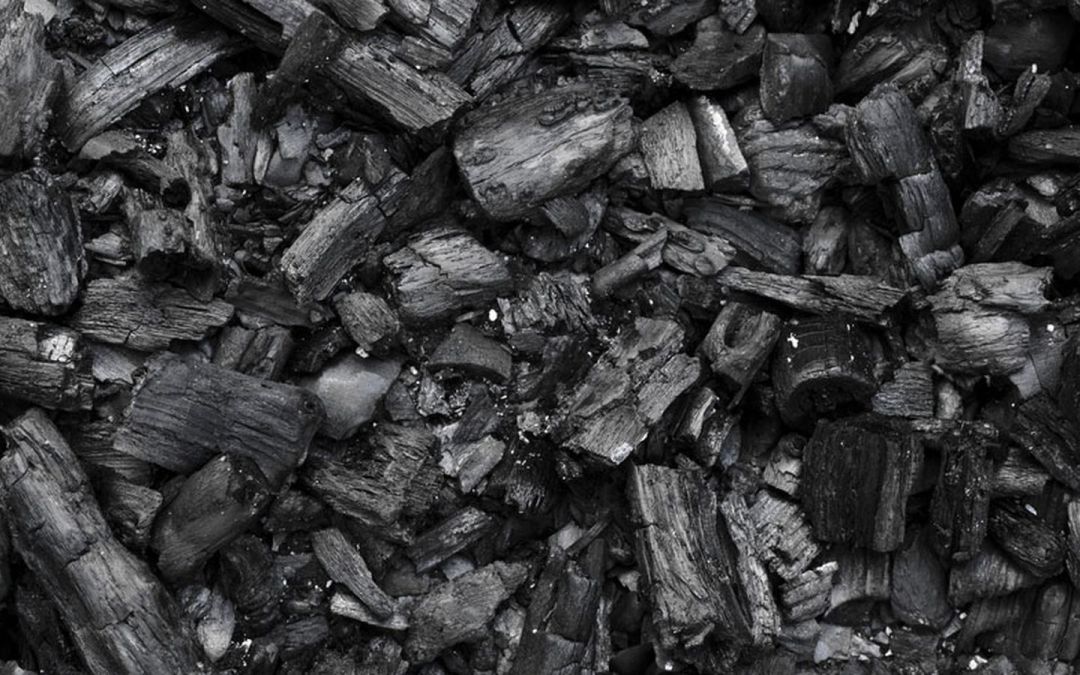
At a roundtable in Lagos over the weekend, stakeholders said the government is neglecting charcoal, a product they describe as central to revenue generation, rural livelihoods, and sustainable growth.

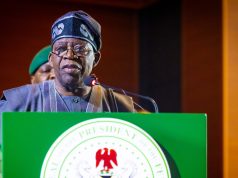
In July, during the 2025 Nigeria Forest Economy Summit in Abuja, Vice-President Kashim Shettima announced that Nigeria was targeting a $2 billion forest economy to promote inclusion and address deforestation.
Although the federal government lifted its ban on charcoal exports in 2023, new restrictions require exporters to secure approval from the Ministry of Finance and clearance from forest officers at ports.
Stakeholders argue that the policy amounts to “regulation by exclusion,” leaving one of the country’s most viable forest products trapped in bureaucracy.
“Charcoal is more than fuel; it is revenue, jobs, and foreign exchange,” said Ebenezer Akarah, CEO of Bricks to Crib Group of Companies. “We cannot claim to unlock the forest economy while sidelining charcoal. The solution is not prohibition but formalisation.”

Mr Akarah compared Nigeria with Namibia, noting that in 2023 the Southern African nation exported 270,000 tonnes of charcoal worth $80.5 million, while Nigeria exported only 443 tonnes valued at $119,470.
He blamed the wide gap on poor policies and unregulated trade in Nigeria.
“Compare that to Nigeria, with a far larger population and richer forests, which exported only 443 tonnes that same year, valued at just $119,470. Of this, $54,000 went to the UAE; the rest trickled into Europe. Let that sink in: a country six times smaller is earning hundreds of times more from one forest product”, he noted.
Action
Mr Akarah said Nigeria must move from damage control to long-term sustainability.
He explained that this requires support for afforestation, reforestation, and policies that protect forest-based livelihoods instead of wiping them out.
He warned that ignoring these systems would mean losing more than just trees, but also communities, culture, and people.
According to him, Nigeria needs to see forest products such as charcoal not as threats but as assets, when they are managed responsibly, regulated properly, and included in a greener economy that benefits everyone, especially future generations.
Mr Akarah said, “This isn’t a production problem, it’s a policy failure. Nigeria has greater reserves, stronger climatic advantages, and steady demand from the UAE, EU, and Asia. Yet we don’t regulate, protect, or price the industry. Instead, we allow income to leak away through informal channels and black-market trading.
“The UAE, for instance, allows very few natural exports from Nigeria and charcoal is one of them. But with weak documentation, many shipments remain unrecorded. While our neighbours formalise trade, we let ours operate in disguise.”

He explained that industry research projects the global charcoal market will reach $11.4 billion by 2030, but Nigeria is losing over 99 per cent of its potential earnings because charcoal has no formal export policy or recognised commodity status.
He added that this gap has serious effects: producers are exploited and underpaid, while the government earns no tax revenue from the thriving informal export trade.
“Climate finance and carbon credits are out of reach because the industry isn’t tracked. Worst of all, local communities where over 70% of charcoal collectors are women and youth, particularly in the north-central and southwest remain trapped in poverty.”
Forest economy
Mr Akarah said Nigeria should treat charcoal as an important commodity in its forest economy, which is worth between $2 and $3 billion.
He explained that the recent forest economy summit showed fresh interest in land use and non-oil revenue.
However, he warned that without recognising charcoal as a registered, regulated and priced product, the entire effort could end up being counterproductive.
“We’re producing the resource, but killing its potential through policy neglect. The solution is not prohibition, it’s formalisation. Charcoal must be recognised as a legal commodity within trade and forest policies. We need clear export frameworks backed by sustainability protocols to meet global demand. Local cooperatives must be empowered with training and access to markets.
“Digital monitoring systems should be deployed to regulate harvesting and attract climate finance”, he said. Charcoal is more than just fuel; it is revenue, jobs, and foreign exchange. As the world shifts toward sustainable biomass, the answer isn’t restriction but smart regulation. Nigeria has the potential to lead, but only if we build a smarter and sustainable policy.”
2030
Furthermore, industry consultant Darasimi Ademola warned that Nigeria could lose billions in revenue if charcoal is not recognised as a formal commodity.
He explained that the global charcoal market is expected to reach $11.4 billion by 2030, and without policy reforms, Nigeria will be left behind while smaller countries take the lead.
READ ALSO: Sanwo-Olu seeks to position Lagos as driver of Nigeria’s $1 trillion economy target
Mr Ademola also said that formal recognition would protect rural producers, who often face exploitation and low prices because of weak regulation.
He added that including charcoal in Nigeria’s climate finance system could open access to carbon credits and attract foreign investment.
Supporting this view, marketer and businesswoman Rachel Amadi said the opportunities are huge, noting that demand for Nigerian charcoal remains high in the UAE, Europe, and Asia.
“Charcoal has a ready market abroad, but weak documentation and lack of government support mean shipments often go unrecorded. If properly regulated, Nigeria could become a global leader in sustainable biomass exports,” she said.
They agreed that with the right rules, charcoal can shift from being an overlooked product to a source of sustainable growth.
They suggested tree-planting programmes, support for cooperatives, and digital monitoring as key steps to achieve this.