Nigeria’s cinema landscape has witnessed remarkable transformation in recent years, driven by the resurgence of Nollywood films and the expansion of multiplex chains across the country.
According to industry data, the Nigerian box office more than doubled from N7.36 billion in 2023 to N15.64 billion in 2025, with projected revenue hitting N20 billion by the end of 2026 as operators focus on monetisation and premium experiences.
Nollywood productions now command nearly half of all box office revenue, accounting for 49.4 per cent of total takings in 2025, just ahead of Hollywood titles, signaling the growing commercial appeal of local storytelling.
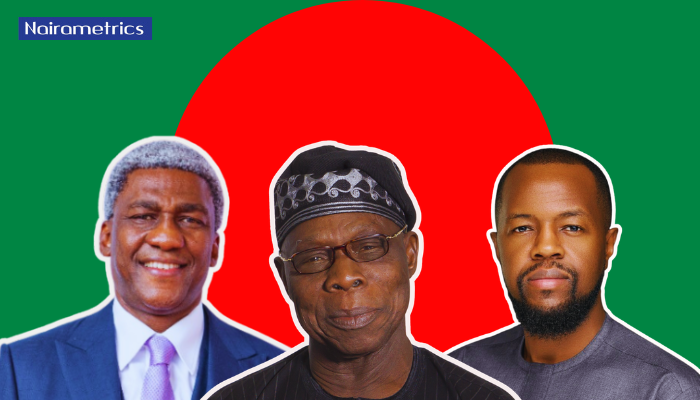
Amidst this growth are the owners of Nigeria’s largest cinema circuits, from international-style chains like Silverbird and Filmhouse to pioneering independent exhibitors.
These operators not only screen blockbuster international films but also increasingly support Nollywood titles that draw local audiences.
As cinemas expand from Lagos into secondary cities and adapt with digital ticketing and varied formats, the sector illustrates how Nigerian cinema culture continues to evolve, blending global content with homegrown creativity and entrepreneurial leadership.
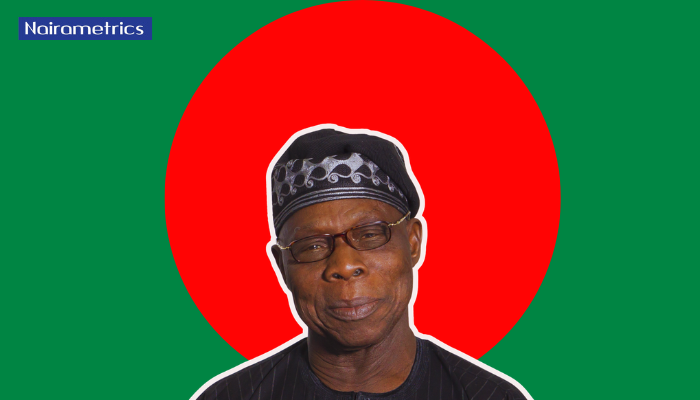
Founded under the Olusegun Obasanjo Presidential Library (OOPL), OOPL Cinemas serves as a premier entertainment venue within the library’s cultural and leisure complex.
The cinema operates three sites, generating N312.5 million in revenue, accounting for 2% of gross box office (GBO) and 2.3% of admissions in 2025, demonstrating strong audience engagement despite its relatively small footprint.
Olusegun Obasanjo is a central figure in Nigeria’s political, military, and cultural history, notable not only for leading the country as both a military ruler and a democratically elected president, but also for building enduring national institutions.
Born around 5 March 1937 in Ibogun-Olaogun, Ogun State, Obasanjo rose from a modest farming background to become a senior army general, a key actor in ending the Nigerian Civil War, and later Nigeria’s Military Head of State from 1976 to 1979.
His voluntary handover of power to a civilian government in 1979 set a democratic precedent rarely seen among military leaders of the era.
The idea for the Olusegun Obasanjo Presidential Library (OOPL) was first conceived in 1988, long before Obasanjo’s return to power.
The vision remained dormant until a decade later, when he emerged from imprisonment under military rule to become Nigeria’s second elected Executive President in 1999.
Shortly after assuming office, he established the Office of Presidential Libraries (Libraries, Research and Documentation) to translate the OOPL concept into reality.