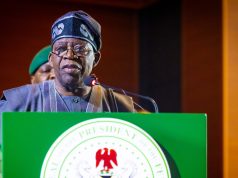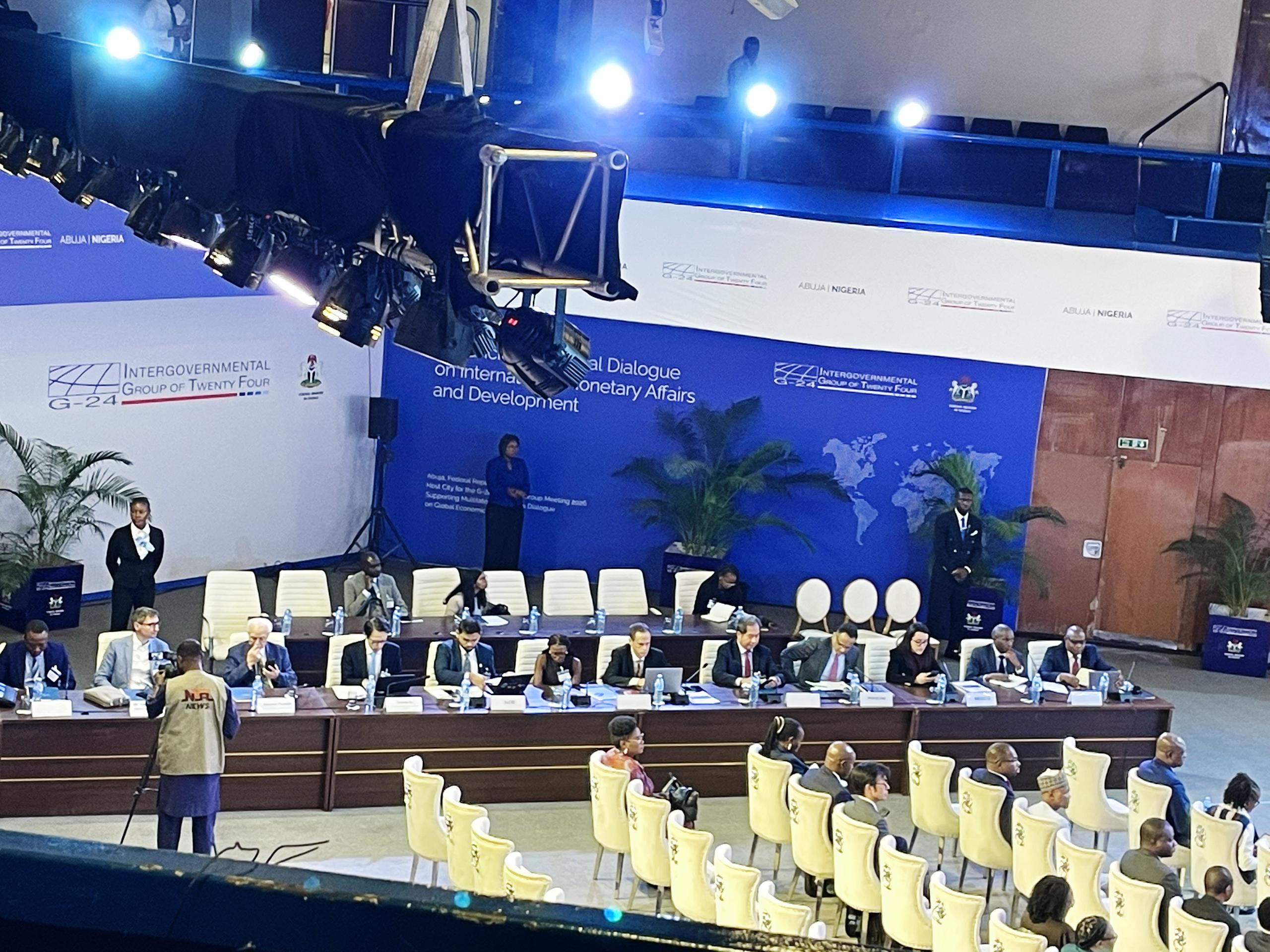
Nigeria on Thursday hosted the 2026 Technical Group Meeting of the Intergovernmental Group of Twenty-Four on International Monetary Affairs and Development (G-24) in Abuja under the theme, “Mobilising Finance to Promote Sustainable, Inclusive, and Job-Rich Economic Transformation.”
The G-24 2026 meeting was jointly hosted by the Federal Ministry of Finance and the Central Bank of Nigeria (CBN).
The gathering brought together finance ministers, central bank governors and policymakers from developing countries to deliberate on reforms of the global financial system amid rising debt pressures, tightening fiscal space, and accelerating digital transformation.
Speaking at the opening session, CBN Governor Olayemi Cardoso described the gathering as timely, noting that technological shifts are reshaping global trade, payments, and financial integration.
“This gathering comes at a crucial time, as technological shifts are transforming global trade, payments, and financial integration,” Mr Cardoso said.
He noted that the theme reflects growing concerns among developing countries over shrinking fiscal buffers, mounting debt burdens, and the need to mobilise capital for sustainable development and job creation.


Push for inclusive global finance
The G-24, a coalition of developing countries within the Bretton Woods framework, advocates reforms to ensure that emerging markets and developing economies have a greater voice in global financial governance.
Mr Cardoso said payment system reforms and digital financial infrastructure must align with broader efforts to modernise global finance and strengthen domestic institutional capacity.
He added that as the Bretton Woods institutions approach their 80th anniversary, there is an opportunity to re-examine the global financial architecture to make it more inclusive and responsive to the needs of developing economies.
The Minister of Finance and Coordinating Minister of the Economy, Wale Edun, who chairs the G-24, emphasised the urgency of reforming global finance to support growth and job creation. Mr Edun warned that rising debt service obligations are shrinking fiscal space across the Global South, with several low-income countries either in or approaching debt distress.
He noted that annual debt servicing payments by developing countries now exceed the combined inflows of official development assistance and foreign direct investment from advanced economies.
On her part, the Director and Head of the G-24 Secretariat, Iyabo Masha, described the current global environment as one of “measured resilience but constrained ambition.”
She added that “The G-24 meeting takes place amid ‘measured resilience but constrained ambition’ in the global economy, as developing countries navigate debt pressures, fiscal tightening, and digital transformation.”
Ms Masha highlighted that many emerging and developing economies are simultaneously consolidating fiscally, protecting social spending, investing in climate resilience, and managing rising debt burdens.
She also explained that the Technical Group Meetings allow member countries to align positions ahead of broader ministerial-level engagements with multilateral institutions such as the IMF and the World Bank.

Background on the G-24
Founded in 1971 during a period of instability in the international monetary system, the G-24 was created to coordinate the positions of developing countries in negotiations with advanced economies within the Bretton Woods framework.
Headquartered in Washington, DC, the bloc comprises 29 member countries across Africa, Asia, Latin America, and the Caribbean. It convenes ministerial-level meetings twice yearly on the sidelines of the IMF and World Bank meetings, while its Technical Group Meetings allow members to harmonise positions ahead of those engagements.
The group has historically advocated reforms to make the global financial architecture more inclusive, particularly in areas such as debt restructuring, development financing, tax cooperation, and monetary stability.
Digital transition and coordination
A significant part of the discussions centred on digital cross-border payments and their implications for financial stability and monetary sovereignty.
Mr Cardoso cautioned that while digital innovation can lower transaction costs and improve inclusion, poor coordination across jurisdictions could create new vulnerabilities.
“Success should be measured not only by speed and cost reductions, but by preservation of monetary and financial stability and inclusion of emerging markets in governance and rule-setting,” he said.
The meeting forms part of ongoing consultations among G-24 members ahead of broader engagements with multilateral institutions, including the IMF and the World Bank.