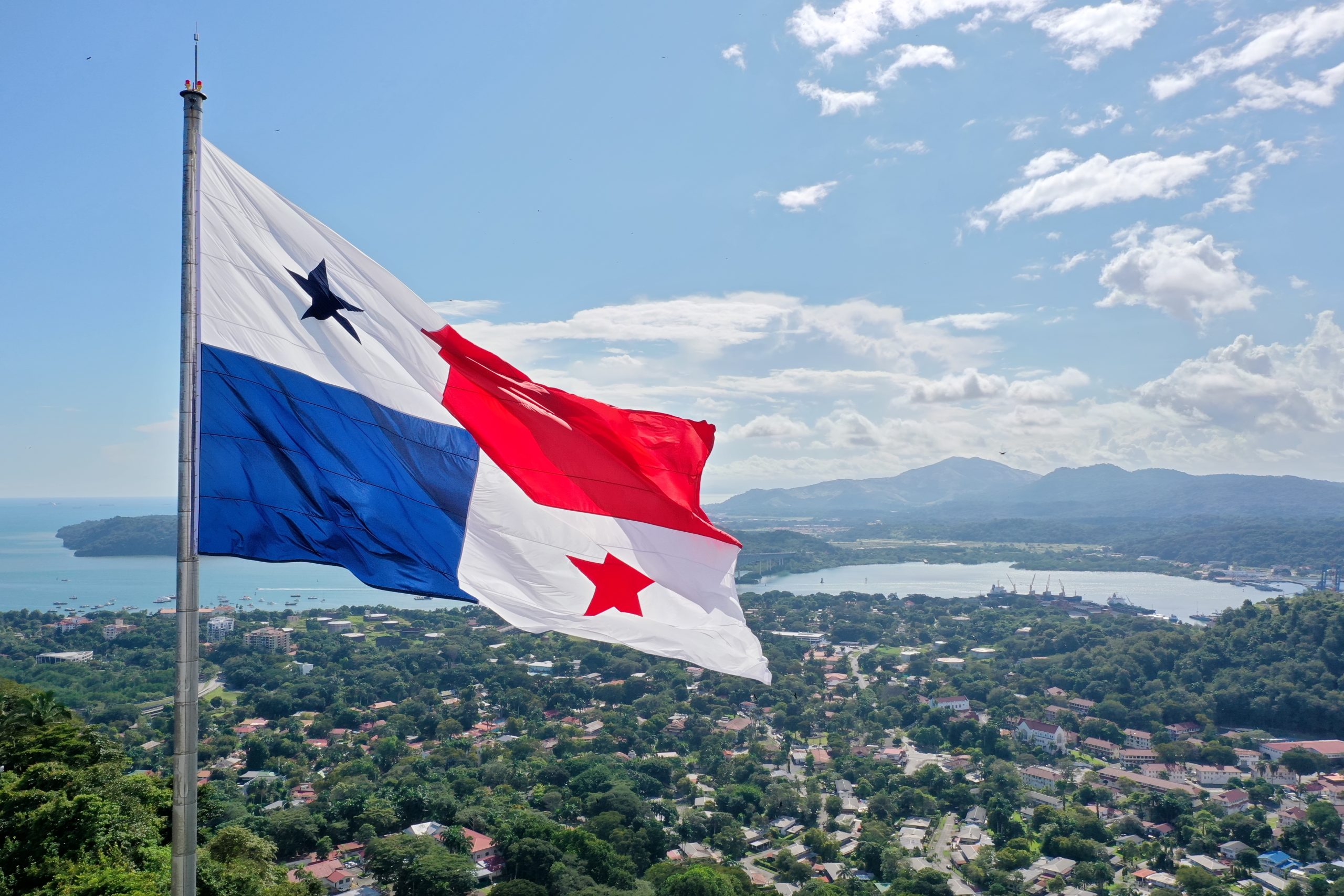
Panama has introduced a landmark immigration reform that, for the first time, creates a permanent residence pathway for international students who have spent an extended period studying in the country.
The policy shift marks a significant departure from Panama’s long-standing approach to student migration, which previously offered no transition from temporary study permits to permanent residency, regardless of how many years a student had lived and studied in the country.
Under a newly published executive decree, the Panamanian government has established a Permanent Resident subcategory for long-term students, targeting foreign nationals who can demonstrate more than six consecutive years of academic study in Panama.
What they are saying
Until now, international students were issued one-year renewable permits strictly tied to their studies, often forcing those who remained in the country for many years to exist indefinitely under temporary immigration status.
The new framework effectively dismantles that barrier.
According to the decree, eligibility is limited to students who can provide verifiable proof of long-term academic presence.
- This can be done through a formal certification issued by a recognised Panamanian educational institution confirming over six years of continuous study or through official records showing the applicant held temporary residence permits for educational purposes for more than six consecutive years, as issued by the National Immigration Service.
While most standard permanent residence requirements remain in force, the policy introduces a notable concession: eligible applicants are exempt from paying the mandatory repatriation deposit, a financial requirement that often poses a challenge for migrants.
Backstory
Panama has long positioned itself as a strategic bridge between North and South America, leveraging its geography, political stability, and investor-friendly policies.
- Best known globally for the Panama Canal, which remains one of the world’s most critical trade routes. This broader economic diversification has increasingly drawn international students to Panamanian universities and training institutions, particularly from Latin America, Europe, Asia, and Africa.
- Despite this growing international academic presence, Panama’s immigration framework historically treated students strictly as temporary residents, regardless of how long they studied or lived in the country.
This stood in contrast to Panama’s relatively flexible residency options for investors, retirees, and multinational employees under programmes such as the Friendly Nations Visa and the Pensionado scheme.
In recent years, however, Panama has begun reassessing its migration policies amid global competition for skilled talent and long-term human capital.
What you should know
This process does not grant immediate permanent residence. Instead, qualifying applicants will first receive a two-year provisional residence permit.
- Upon successful completion of this provisional period and continued compliance with immigration regulations, applicants may then apply for permanent residence under the newly created student-based category.
- The phased approach allows immigration authorities to monitor long-term compliance while offering students a structured and attainable route to settlement.
Special provisions also apply to applicants who are minors. For individuals under the age of 18, applications must be filed jointly by both parents, by one parent with written consent from the other, or by a legally appointed guardian. These safeguards align with Panama’s existing family law and child protection standards.