Travel technology has completely changed the way we discover, experience, and remember the world. Now, we don’t have to rely on things like in-person travel agencies, printed travel brochures, and paper maps.
That’s because technology has modernized almost every aspect of the travel industry. And the key drivers are mobile connectivity options, such as eSIMs, smartphones, travel apps, map apps, digital payment platforms, social media platforms, translation apps, and digital travel advisory platforms.
They have made it possible for travelers to research, plan, pay, navigate, and share their travel experience in real time and on a single device. Read on to learn more.
Mobile connectivity as a travel essential
One of the best examples of how technology has changed the way we explore is through mobile connectivity. Mobile connectivity is as essential to travelers as a passport is.
That’s because you’ll need mobile connectivity to make your travel experience seamless, as it will help you search for accommodations, read reviews for accommodations, book accommodations online, book taxis, book tours, and so much more.
All in all, seamless modern travel is now almost impossible without mobile connectivity. And the best technology invention available for mobile connectivity is the eSIM. The eSIM is the most convenient option available on the market today.
That’s because it’s built into devices, and it allows you to set up multiple profiles when you are in your home country. And when you get to your region of destination, the eSIM will automatically activate a local data plan. This will ensure you’re online from the moment you land.
So, let’s say you are currently in the US and want to travel to China; you can choose to set up a profile for Holafly eSIM for China. Thus, when you get to China, you’ll be immediately connected to the internet, and you’ll not have to hunt for a SIM-card selling kiosk and queue in line to get the SIM card.
The best part? You don’t need to change any SIM cards to get connected while you travel to and from different countries.
From guidebooks to real-time travel apps
Technology has also ensured that the way we navigate new destinations has changed. Traditionally, people used to use guidebooks, which often consisted of curated recommendations, maps, and tips. However, they were static, often outdated, and limited by the author’s perspective.
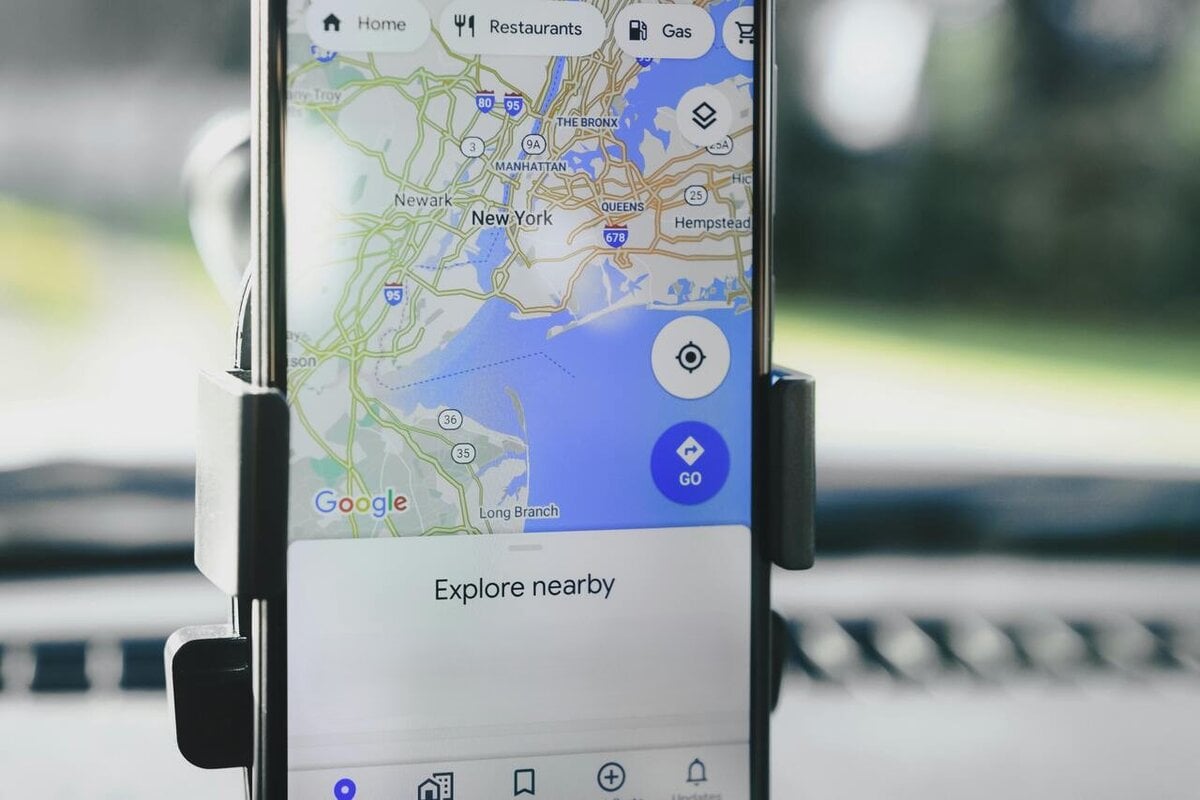
That’s one of the main reasons why real-time travel apps, such as TheFork, Google Maps, TripAdvisor, Alltrails, and Citymapper were invented. They eliminate the limitations of guidebooks and go an extra mile into ensuring you enjoy a seamless travel experience by:
- Providing up-to-minute information on things like restaurant openings, traffic conditions, local events, weather updates, and so much more.
- Offering direction
- Providing personalized travel recommendations based on user reviews, past behavior, and preferences.
- Providing real-time alerts to changes or opportunities. This ensures you never miss out on a must-see site. At the same time, the notifications can inform you whether traveling on a specific date is safe or not.
- Making it possible to check reviews.
- Allowing users to plan their travel and adjust their itineraries on the fly.
Therefore, the real-time apps facilitate a flexible, informed, and immersive travel experience.
Finding local experiences through digital tools
The way we connect and experience local cultures has also changed because of the invention of digital tools. For example, platforms like Airbnb Experiences, GetYourGuide, and WithLocals organize private tours or activities led by locals.
This can be biking through hidden neighbourhoods, tasting street foods unknown to guidebooks, or going for hand-on workshops or cultural events. Therefore, you get to enjoy local experiences that mass tourism often overlooks.
In addition, digital tools, such as the EatWith app links food lovers to home dinners and market walks hosted by locals across 130 countries. So, if you’re a foodie, this app will help you find the best places to experience local foods.
Also, there are apps such as Diftscape and SmartGuide that provide self-guided audio tours. They offer personalized stories, insider tips, and cultural narratives exactly when you approach a landmark. Thus, digital tools ensure you can easily find the best local experiences that suit your unique preferences.
Staying safe and informed abroad
Travel technology has transformed the concept of being safe and informed while abroad. For example, there is the Travel Smart App that uses TGuard 24/7 monitoring to push notifications about severe weather, terrorism threats, scams, or conflict zones.
They get information from trustworthy sources, such as the US State Department and the Australian Smart Traveler. So, when you use these apps, you know whether it is safe to go for a certain tour or not.
Also, there are review and community forums that can help you identify safer neighborhoods, reputable transportation options, and trustworthy accommodations. So, you can make informed decisions about where to go, which mode of transport to use, and the best place to stay.
In addition to the above, there are other personal safety apps, such as bSafe, Noonlight, and GeoSure, that can help you add another layer of protection. These apps have SOS buttons that trigger location sharing and video evidence to contacts. What’ s more, one like Noonlight can connect you to 911 or professional dispatch.
The future of tech-powered travel
Travel technology will grow from being helpful tools to seamless companions that will anticipate needs. And by 2030, AI agents will create hyper-personalized itineraries in real-time. They’ll adjust flights, accommodations, and activities based on weather and mood through wearable data or even carbon footprint goals.
Also, augmented and virtual reality overlays will turn any street into an interactive guide. It will project what happened in history, translate bubbles over signs, provide virtual tours, and so much more.
In addition, sustainable tech will dominate the travel industry. There’ll be apps that inform travelers of low-emission routes. Also, there’ll be biometric scanners, which will replace passports and ensure travel is greener than ever.