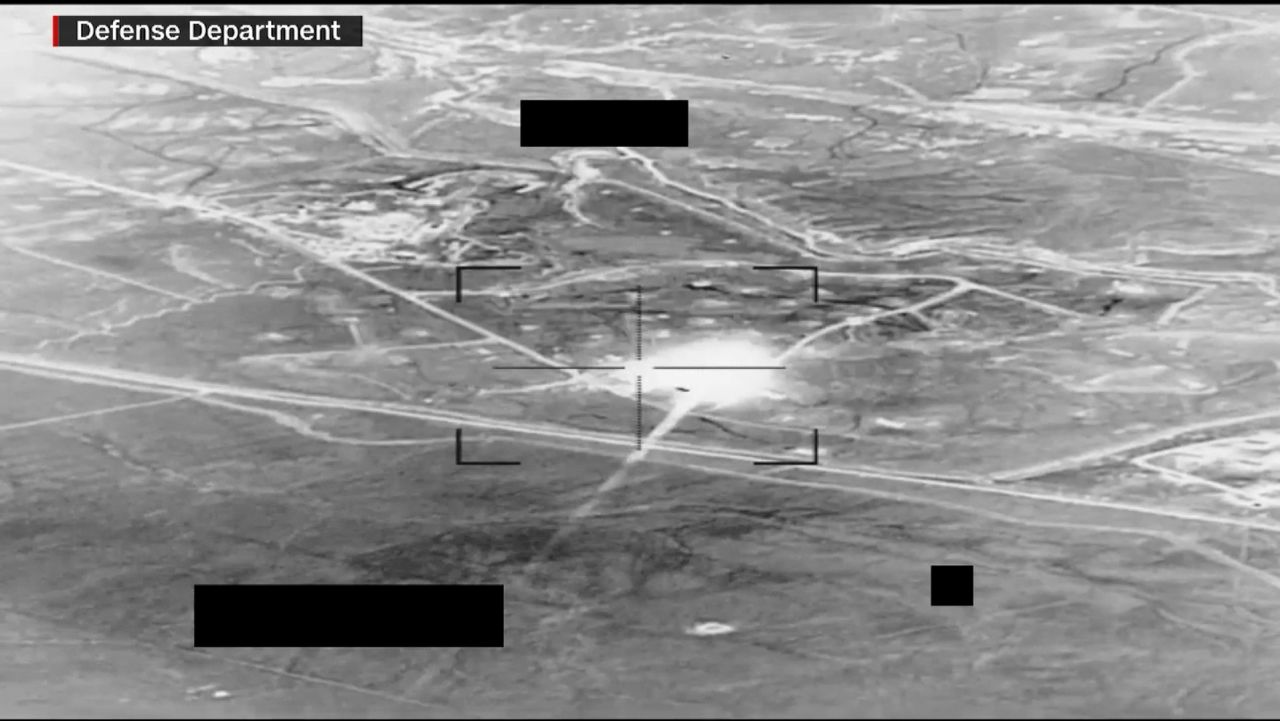
The United States launched air strikes in Nigeria using information from unverified sources.
This is according to a New York Times report.
The report indicates that the U.S. relied on information from Emeka Umeagbalasi, a screwdriver trader and small NGO operator in Onitsha, Anambra State.
This has raised concerns about the accuracy of the intelligence behind the strikes and the broader narrative of a Christian genocide in Nigeria.
What they are saying
The New York Times article identified Emeka Umeagbalasi, a local screwdriver seller, as the provider of intelligence cited by U.S. lawmakers.
“The man, Emeka Umeagbalasi, owns a tiny shop selling screwdrivers and wrenches in this market in Onitsha, the commercial hub of southeast Nigeria. But this screwdriver salesman is also an unlikely source of research that U.S. Republican lawmakers have used to promote the misleading idea that Christians are being singled out for slaughter in Africa’s most populous nation. Senator Ted Cruz of Texas, Representative Riley Moore of Virginia and Representative Chris Smith of New Jersey have all cited his work.” NY Times stated
- According to the New York Times, Umeagbalasi claimed he has documented 125,000 Christian deaths in Nigeria since 2009 using Google searches, Nigerian media reports, secondary sources, and advocacy groups such as Open Doors.
- He admitted that he rarely verifies his data and seldom travels to the areas where attacks occur, often assuming victims’ religion based on location.
- “If a mass abduction or killing happens in an area where he thinks many Christians live, he assumes the victims are Christians,” the report stated.
- Umeagbalasi claimed there are 100,000 churches in Nigeria, with about 20,000 destroyed in the past 16 years, adding that he found the numbers by “Googling it.”
The report notes that U.S. lawmakers, including Riley Moore, Ted Cruz, and Chris Smith, have repeatedly cited his work, which former President Trump used to justify air strikes in Nigeria.
Backstory
The strikes follow a series of U.S. actions tied to allegations of a Christian genocide in Nigeria.
Why this matter
The reliance on unverified data raises questions about the credibility of U.S. military actions in Nigeria and the potential consequences for civilians.
- Using unverified reports to justify military action can lead to misdirected strikes and civilian casualties.
- The narrative of a targeted Christian genocide in Nigeria has influenced U.S. policy decisions, including military intervention.
- Lawmakers’ use of unverified data underscores the risk of politicizing human rights issues for foreign policy objectives.
This highlights the broader challenge of balancing advocacy, data reliability, and international military action.
What you should know