Jigawa State has aligned with other Nigerian states to domesticate Nigeria’s tax reform laws, following the passage of the Harmonised Taxes and Levies Bill, as the country begins the implementation its new tax regime in 2026.
This is coming after Ekiti state commenced the tax reform domestication, while Zamfara and Anambra states followed suit in December 2025, to align their states’ internal revenue laws with four new National Tax Reform Acts.
The legislative move is gathering momentum across the country, with Jigawa, Plateau, Kogi, Nasarawa, and Kwara States taking concrete steps to domesticate the reforms and strengthen their revenue frameworks.
The moves, driven by recently enacted laws and executive assent, are aimed at boosting internally generated revenue (IGR).
The states’ domestication of tax reform also aims at improving financial autonomy and creating a more transparent, predictable, and business-friendly tax environment in line with the national tax reform agenda of President Bola Ahmed Tinubu.
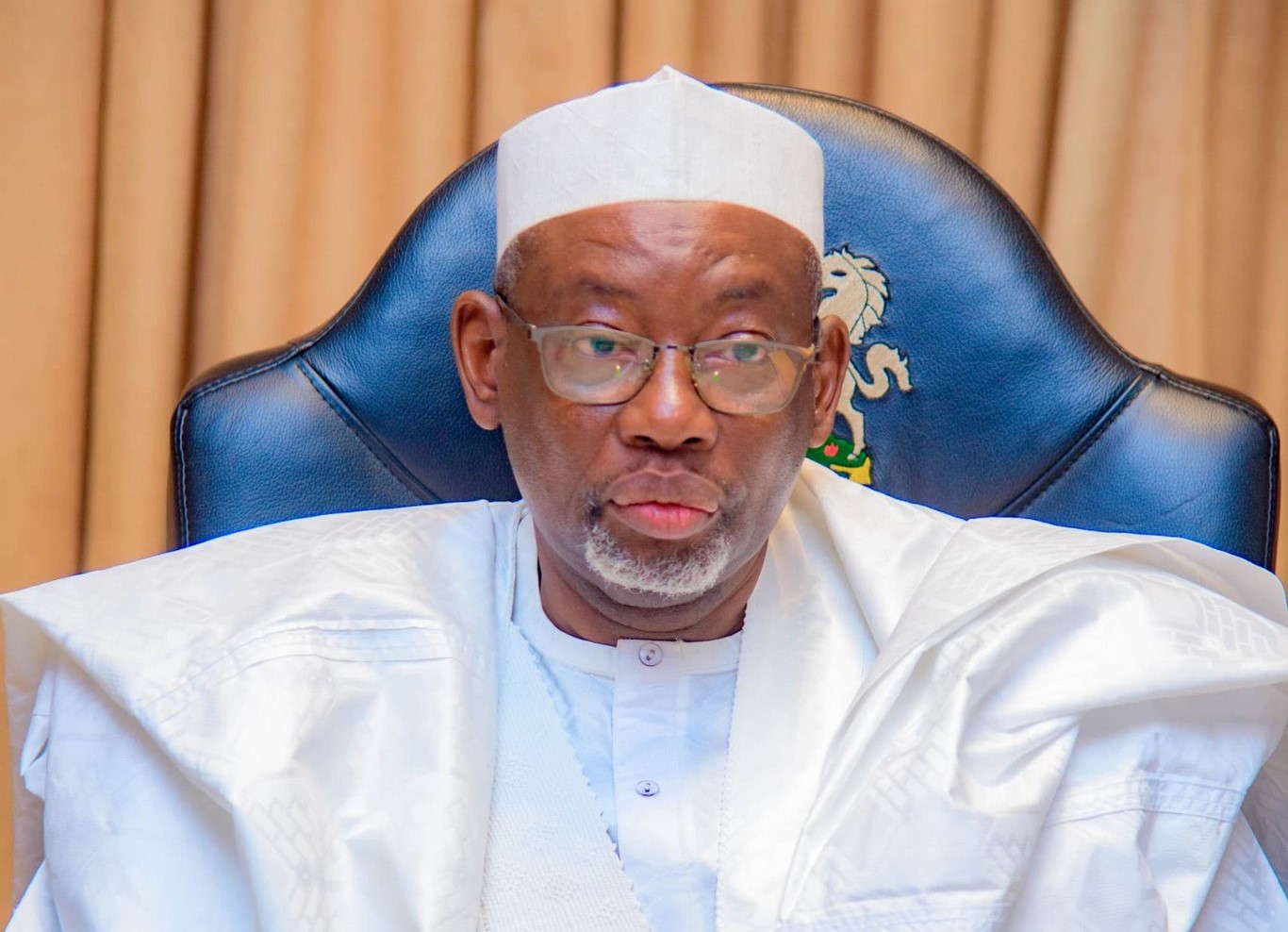
Jigawa State joined the reform drive following the passage of the Harmonised Taxes and Levies Bill by the Jigawa State House of Assembly.

In the statement, the JRB lauded the state on the development, describing it as a significant milestone in Jigawa’s efforts to modernise its revenue administration system.
According to the board, the bill, which is expected to be signed into law by the state governor, Umar Namadi, seeks to streamline tax processes, eliminate multiple taxation, outlaw roadblocks for the collection of taxes and levies, deploy technology to enhance transparency and plug revenue leakages, while providing greater clarity on taxpayers’ obligations.
The revenue board stated that the harmonised framework is expected to improve taxpayer compliance, boost investor confidence, and support Jigawa State’s economic development.
It also commended the collaborative efforts of the state government, the legislature, and the Jigawa State Internal Revenue Service in advancing the reform, noting that it aligns with the Tinubu administration’s national tax reform programme and underscores the state’s commitment to transparency and good governance.
Similarly, in Plateau State, Governor Caleb Mutfwang, on 31 December, 2025, signed into law the Plateau State Harmonised Taxes and Levies (Approved List for Collection) Law.
The tax officials described the legislation as a major milestone in the state’s revenue reform drive, saying it provides a clearer and more coordinated framework for tax and levy collection.
The law is expected to eliminate duplication, reduce revenue leakages, and support funding for critical infrastructure and social services.
Additionally, Nasarawa State has also taken decisive steps to modernise its fiscal system, after Governor Abdullahi Sule signed into law the Nasarawa State Revenue Administration Law 2025 alongside the Harmonised Taxes and Levies Law 2025.
The legislation establishes a unified and transparent system for administering both tax and non-tax revenues, clearly defining approved levies and strengthening institutional oversight.
The Nasarawa reforms are designed to address long-standing challenges such as fragmented revenue practices, multiple taxation, and inconsistent enforcement.
Beyond improving coordination among revenue agencies, the laws are expected to enhance transparency, curb arbitrary collections, and restore public confidence in revenue institutions, while supporting investment and economic activity, particularly among small and medium-sized enterprises (SMEs).
In a similar vein, Kogi State joined the reform push on 1 January 2026, when Governor Ahmed Ododo assented to the Kogi State Internal Revenue Service (Establishment) Law 2025 and the Kogi State Taxes and Levies (Approved List for Collection) Law 2025.
The Kogi tax laws provide a stronger legal and institutional foundation for a more efficient and professional revenue service, while aligning tax collection practices with national standards.
READ ALSO: Jigawa primary healthcare agency, WHO destroy expired noodles
Tax reform
The new tax laws, according to the Presidential Committee on Fiscal Policy and Tax Reform, reflect a broader shift away from outdated and fragmented collection methods towards a harmonised, technology-driven, and people-centred tax framework.
The key provisions of the laws include the harmonisation of sub-national taxes into nine approved tax types, the outlawing of roadblocks for tax and levy collection, and measures to improve certainty, fairness, and efficiency in the system.
Also, the reforms are expected to reduce arbitrary and illegal collections, enhance transparency, and create a more predictable operating environment for businesses, with SMEs projected to benefit significantly from the streamlined framework.
The growing legislative momentum across the states signals a new phase in Nigeria’s fiscal governance, as sub-national governments increasingly position themselves to generate sustainable revenue while supporting economic growth and development.